It is one of the loneliest places to be in a relationship: you know your marriage needs attention, but your partner is not willing, not ready, or not engaged in working on it with you. Maybe they avoid hard conversations. Maybe they say things are fine when they clearly are not. Maybe they shut down, get defensive, stay busy, or act like the relationship problems are yours to deal with. Whatever the pattern looks like, the result is painful. You may feel stuck between two equally hard realities: you cannot repair a marriage entirely by yourself, but you also do not want to sit back and do nothing while the distance grows.
That tension is exactly why so many people start searching for ways to work on your marriage alone. They are not trying to carry the entire relationship forever. They are trying to understand what is still possible when only one partner is taking the problem seriously. They want to know whether their own efforts can make a difference, where those efforts are actually useful, and how to avoid exhausting themselves by pushing in ways that only create more resistance.
The honest answer is this: no, one person cannot single-handedly create a fully healthy marriage. A strong, lasting relationship requires participation from both people. But that does not mean your individual efforts are meaningless. In many marriages, one person changing how they respond, communicate, regulate, and approach the relationship can shift the emotional climate more than they expect. It may not solve everything. It may not change your partner on your timeline. But it can reduce escalation, create more clarity, and help you stop reinforcing the very patterns that keep the relationship stuck.
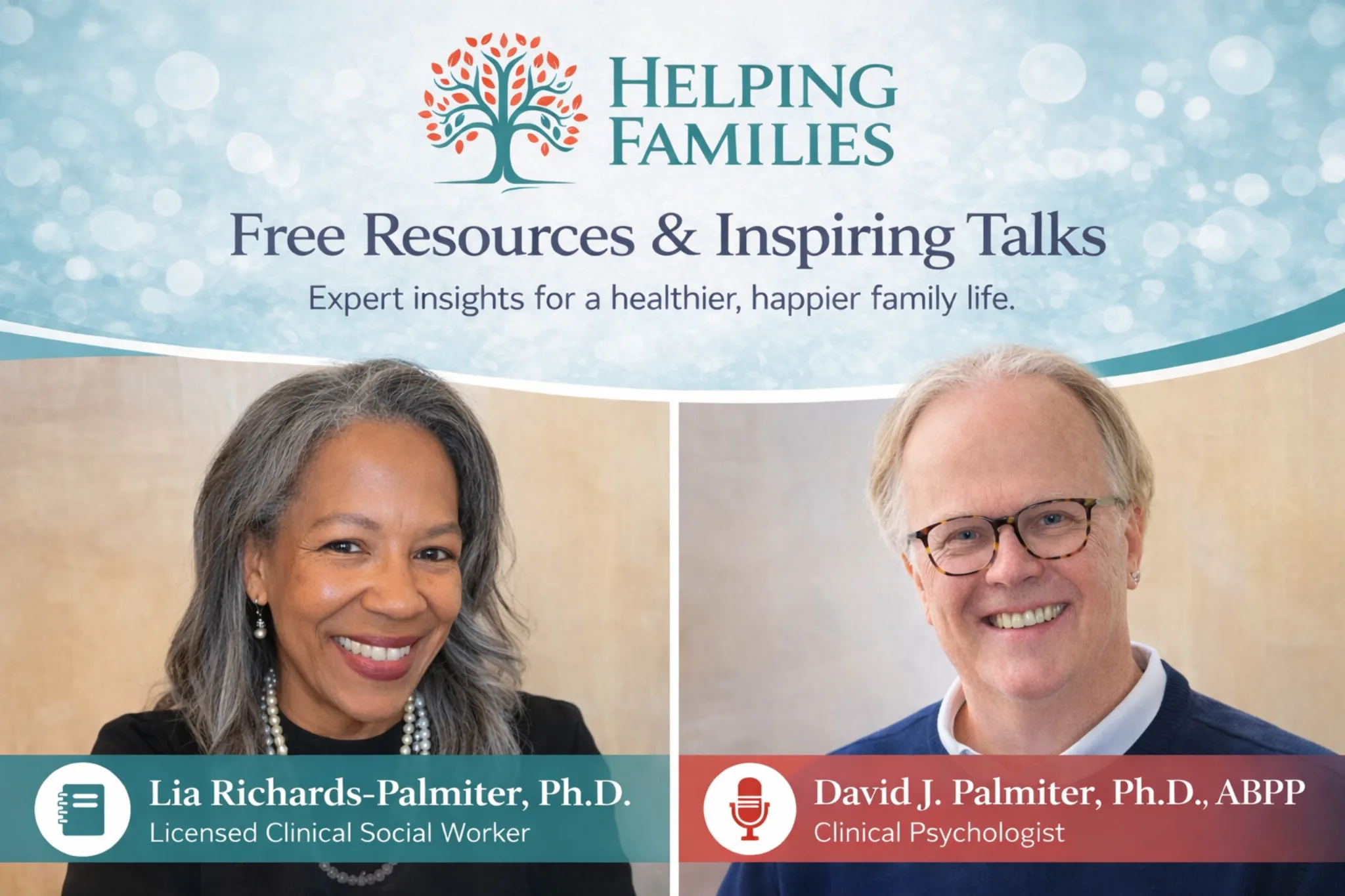
For couples and individuals in Bethesda, MD who are looking for a psychotherapy practice, this is often where the real work begins. At Helping Families, relationship support is not only for couples who walk in fully aligned and ready to do everything together. Sometimes one spouse arrives first. Sometimes one partner is willing to reflect, learn, and change while the other remains distant or skeptical. That work still matters. In fact, it can be the beginning of meaningful change.
This article explores what it really means to work on your marriage alone, where your efforts can help, where they cannot, and how to move forward in a way that is grounded, honest, and emotionally healthy.
What You Can and Cannot Do By Yourself
One of the most important starting points is realism. If you are the only one trying, it is easy to swing between false hope and total despair. One day you may think, “If I just do everything right, I can fix this.” The next day you may think, “Nothing matters unless my partner changes.” Both positions are too extreme.
You cannot force your partner to become emotionally available, accountable, or motivated. You cannot make them talk honestly if they are committed to avoiding difficult conversations. You cannot single-handedly create mutual trust, mutual vulnerability, or mutual repair. A marriage is a two-person system, and some parts of that system cannot be restored by one person alone.
What you can do is look closely at how you participate in the cycle. You can become less reactive, more clear, more boundaried, and more intentional. You can stop using strategies that feel understandable in the moment but make the relationship worse over time. You can learn to approach conflict differently. You can reduce the amount of pressure, chasing, criticism, or emotional overfunctioning that may be keeping both of you trapped in familiar roles.
This may not sound as dramatic as “fixing the marriage,” but it is often the most powerful place to begin. When one person changes their part of a stuck pattern, the relationship usually shifts in some way. The shift may be positive, uncomfortable, clarifying, or all three. But it is rarely meaningless.
Why One Person’s Change Can Matter So Much
Most marriages develop predictable loops. One partner pursues, the other withdraws. One criticizes, the other defends. One becomes anxious and overexplains, the other shuts down and avoids. Over time, both people become attached to their position in the loop. Each person begins to feel like they are simply reacting to the other, but in reality both are helping keep the pattern alive.
This is why learning to work on your marriage alone is not as hopeless as it sounds. If you change how you enter the loop, the loop often changes. For example, if you normally pursue your partner with urgency, repeated questions, emotional pressure, and escalating frustration, and you begin speaking more directly but less intensely, your partner may feel less cornered. If you normally bottle things up until resentment spills out, and you begin addressing concerns earlier and more calmly, the emotional tone may change. If you usually interpret everything through a worst-case lens, and you become more curious and less accusatory, that shift can affect how safe the relationship feels.
This does not mean your partner will respond perfectly. They may not respond much at first. But relationships are systems, and systems do react when one part changes. Sometimes the result is more connection. Sometimes it reveals just how entrenched the other person’s avoidance really is. Either outcome gives you better information than staying trapped in the same cycle.
Stop Trying to Force a Breakthrough
When only one spouse wants change, there is often a strong temptation to push harder. More conversations. More explaining. More pleading. More books. More reminders that “we need to work on us.” This is an understandable response, especially if you are scared about the distance in the marriage. But in many cases, pressure backfires.
If your partner already feels defensive, inadequate, cornered, or emotionally overwhelmed, pressure usually makes them retreat further. They may tune you out, shut down faster, or begin to experience every relationship conversation as a demand they are failing. Even if your concerns are valid, the way you pursue them can unintentionally strengthen the very resistance you are trying to overcome.
One important part of learning to work on your marriage alone is recognizing the difference between being clear and being pressuring. Clarity sounds like, “I care about this marriage, and I want us to be healthier. I’m willing to work on my part, and I hope you’ll join me.” Pressure sounds like repeated emotional chasing, constant monitoring, or trying to drag someone into change before they are willing.
Letting go of pressure does not mean pretending everything is fine. It means choosing approaches that create more room for genuine movement instead of forcing a performance.
Work on Your Side of Communication First
If you want to improve a stuck marriage, one of the most effective places to begin is communication. Not because communication fixes everything, but because poor communication often keeps everything inflamed. Many people assume that if their partner is the avoidant or difficult one, there is not much to examine in themselves. But even when one person is clearly less engaged, it is still worth looking honestly at how your own communication lands.
Do you raise issues only after resentment has built for too long? Do you lead with criticism instead of vulnerability? Do you ask questions that are really accusations in disguise? Do you push for resolution in the exact moment your partner is least able to talk well? Do you repeat yourself in five different ways because you are desperate to be understood, only to find that the repetition makes your partner shut down more?
These patterns do not make you “the problem.” They make you human. And they matter because changing them can create a different emotional tone in the marriage. Often, healthier communication starts with saying less, but saying it more clearly. It means naming the issue without adding ten older grievances. It means speaking from your own experience instead of building a legal case against your partner. It means being direct without being attacking.
Sometimes the most effective sentence is not the longest one. It is the clearest one: “I feel lonely in this marriage lately, and I want to talk about that when you’re open to it.”
Regulate Yourself Before You Reach for Your Partner
When a marriage feels uncertain, it is common to look to your partner for emotional regulation. You want reassurance, engagement, comfort, and signs that the relationship is okay. That longing is deeply human. But if every hard feeling immediately gets pushed toward your partner for relief, especially when they are not responding well, the relationship can become even more tense and unstable.
Part of learning to work on your marriage alone is strengthening your ability to calm yourself before you enter hard conversations. That does not mean you should become emotionally self-sufficient in a way that eliminates need. It means you should be able to approach the marriage from a more grounded place rather than always from panic, urgency, or emotional flooding.
This might mean taking time to settle your thoughts before addressing an issue. It might mean journaling first instead of immediately texting your partner ten paragraphs while hurt. It might mean noticing when you are asking for connection, and when you are demanding relief from anxiety. The more regulated you are, the more choice you have in how you show up. And that usually leads to better outcomes than reacting from the rawest version of your pain every time.
Strengthen Boundaries Without Becoming Cold
When one partner is not engaged, the other often falls into overfunctioning. They initiate every conversation, carry all the emotional weight, monitor the tone of the relationship, and work constantly to keep things from getting worse. Over time, this becomes exhausting. It also creates an unhealthy imbalance where one person is doing all the relational labor while the other remains passive.
This is where boundaries become essential. Boundaries are not punishments. They are a way of protecting your emotional health and clarifying what you will and will not keep doing on your own. For example, you may decide that you are willing to bring up a concern calmly and directly, but you will not chase your partner through the house demanding a conversation. You may decide that you are open to working on things, but you are no longer willing to carry every relationship discussion alone while your partner contributes nothing. You may decide that emotional avoidance does not get to define the marriage indefinitely without consequences or further decisions.
Healthy boundaries allow you to work on your marriage alone without losing yourself in the process. They help you stay compassionate without becoming self-abandoning. They also help clarify whether your partner is merely slower to engage, or whether they are repeatedly relying on your overfunctioning to avoid responsibility.
Become More Consistent, Not More Perfect
One trap people fall into when trying to save a marriage alone is emotional inconsistency. They are patient for a week, then explode. They decide to step back, then panic and overpursue. They promise themselves they will stop criticizing, then unload three months of resentment at once. This is understandable, especially when the relationship feels painful and uncertain. But inconsistency can make the marriage feel even more unstable.
Often, what helps most is not becoming perfect, but becoming steadier. Steadier in how you speak. Steadier in how you raise concerns. Steadier in your expectations. Steadier in your refusal to chase, explode, or collapse. Consistency creates a different environment. It makes it easier for your partner to understand what you mean. It also helps you stop living at the mercy of every daily shift in their mood or behavior.
This kind of steadiness is not glamorous, but it is powerful. In many relationships, change begins when one person stops reacting wildly to every emotional fluctuation and starts responding with more grounded clarity instead.
Focus on the Marriage You Are Actually In
It is easy to spend a lot of energy wishing your partner were different. More open. More emotionally intelligent. More motivated. More reflective. More willing. Those wishes are understandable, but they can also pull you away from reality. If you are going to work on your marriage alone, you need to work from the relationship that actually exists, not the one you keep hoping will suddenly appear.
That means asking honest questions. What does my partner realistically respond to? What shuts them down? What patterns are consistently present between us? What efforts from me actually help, and which ones just reflect my anxiety? Where am I hoping for change without evidence? Where am I enabling stagnation by doing all the work?
This kind of honesty is not pessimism. It is maturity. It helps you stop wasting energy on strategies that are not working and begin investing in changes that are grounded in reality. Sometimes that leads to more connection. Sometimes it leads to greater clarity about what is missing. Both matter.
Individual Therapy Can Help More Than You Think
Many people assume therapy is only useful if both spouses are willing to attend. In reality, individual therapy can be extremely valuable when you are trying to work on your marriage alone. It gives you a place to sort out what is yours, what is not, and how to respond more intentionally instead of reacting from confusion and hurt.
Therapy can help you identify the cycle you are stuck in, understand your own triggers, communicate more effectively, set healthier boundaries, and decide what kind of change is realistic. It can also help you grieve the fact that your partner is not showing up the way you want, without letting that grief turn into constant desperation or emotional collapse.
For residents of Bethesda, MD, a psychotherapy practice like Helping Families can provide that kind of support. Sometimes the work begins with one person becoming clearer, stronger, and more grounded. From there, the marriage may begin to shift. And even if your partner never engages as much as you hope, you will still be in a healthier position to make wise decisions about the relationship.
When Your Efforts Are Helping, and When They Are Not
It is important to notice what happens when you begin changing your side of the marriage. Sometimes your partner becomes less defensive. Sometimes conversations become calmer. Sometimes the relationship softens in small but meaningful ways. These are signs that your individual efforts may be creating more space for the marriage to improve.
Other times, your growth reveals something difficult. You become clearer, calmer, more respectful, more boundaried, and your partner still refuses any meaningful engagement. They may continue dismissing, avoiding, minimizing, or relying on your emotional labor while contributing little of their own. If that happens, your work has still not been wasted. It has given you clarity. It has shown you the difference between a marriage that is stuck in a mutual pattern and a marriage where one person is unwilling to participate in change at all.
That distinction matters. Working on your side of the relationship is never about guaranteeing a particular outcome. It is about making sure your choices are grounded, healthy, and honest.
Final Thoughts
If you are trying to work on your marriage alone, you are probably carrying a mix of hope, exhaustion, frustration, and grief. That makes sense. It is deeply painful to care about a relationship when your partner is not showing the same level of engagement. But your efforts are not meaningless just because they are not mutual yet.
You may not be able to repair the entire marriage by yourself, but you can change the emotional climate you bring into it. You can stop overpursuing. You can communicate more clearly. You can regulate yourself more effectively. You can set healthier boundaries. You can stop feeding patterns that keep both of you stuck. And you can seek support that helps you understand what is possible from here.
At Helping Families in Bethesda, MD, individuals and couples can find a safe and caring space to explore relationship pain, strengthen communication, and make thoughtful decisions about what comes next. Sometimes one person begins the work first. That does not mean the work is small. Often, it is where meaningful change begins.